
Known for housing over 2,000 Buddhist temples and Shinto shrines, the city of Kyoto, Japan welcomes travelers to explore its traditional Japanese culture. Kyoto’s prestigious history and absolute serenity inspire guests to experience the natives’ simple way of living. Contrary from bustling Tokyo, this elegant city will enrich your mind through its selfless people, lush landscapes and delectable cuisine.
Things To Do
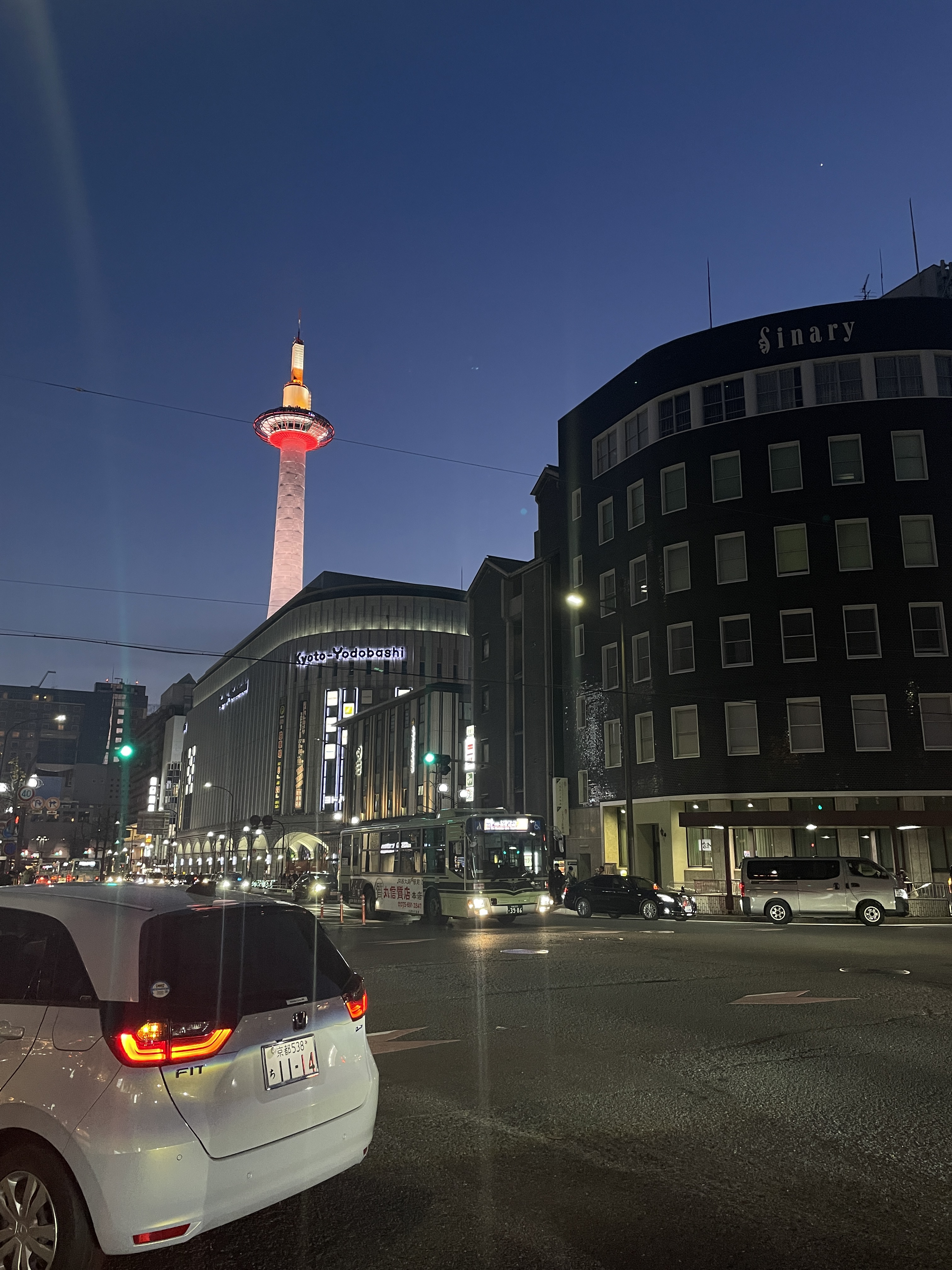
See the City From the Top of Kyoto Tower
Standing at 430 ft. in the center of the city is the Nidec Kyoto Tower. Observation deck tickets can be purchased for $6.03 (¥900) either online or at the ticket office on the 1st floor. In addition to the 360° panoramic view of Kyoto, the tower offers many options for entertainment, dining and lodging. Kyoto Tower Sando is equipped with a food hall, souvenir market and a variety of workshop experiences.

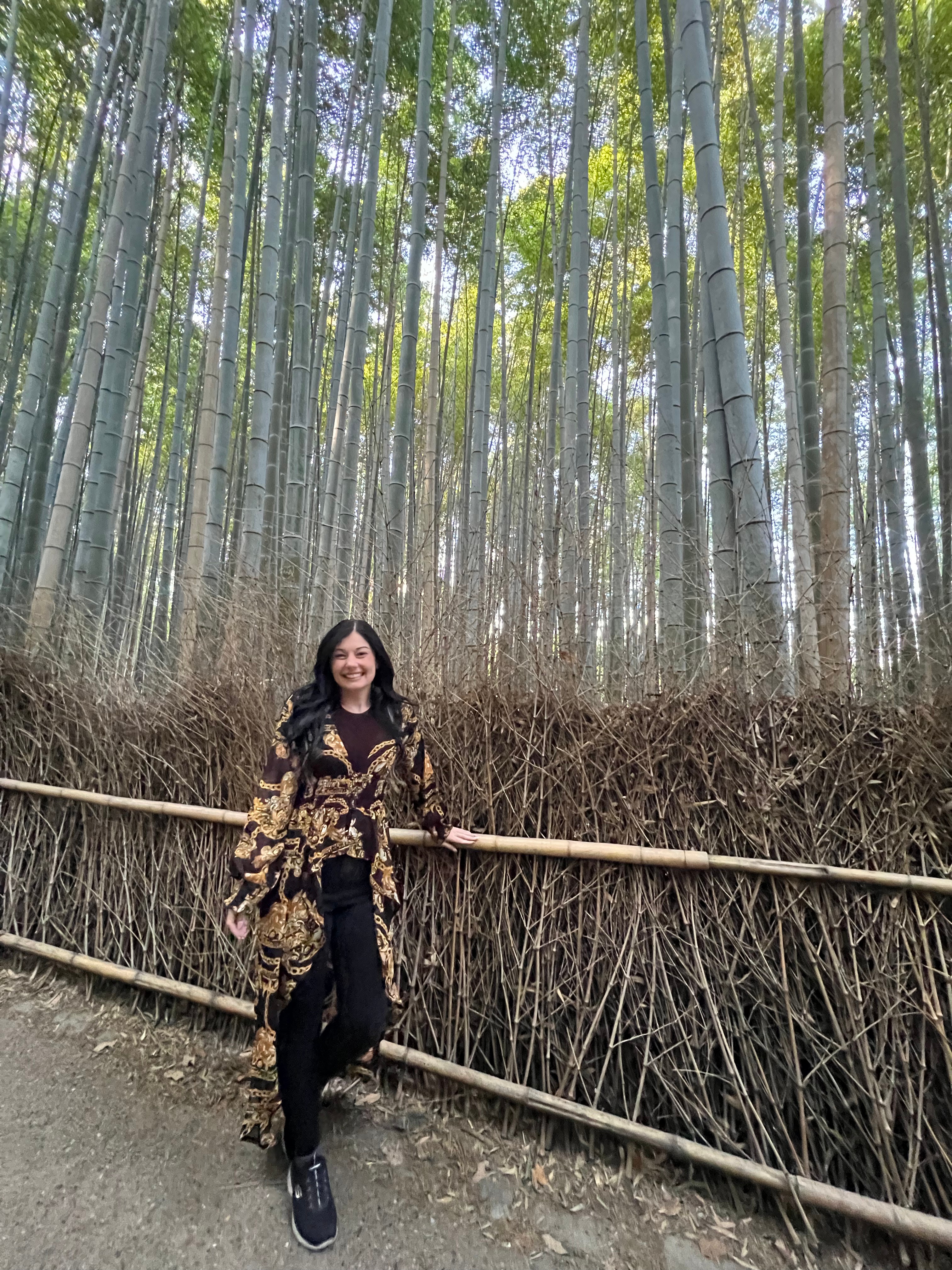
Experience the Serenity of Arashiyama Bamboo Grove
Enter the tranquility of towering bamboo stems while sunlight dances through the maze of green giants growing among you. A paved pathway winds through the grove, guiding visitors on a short 10-15 minute walk. This natural attraction makes for great photo opportunities and is completely free. Expect to see crowds of people no matter the time of day, as this is one of the most-visited spots in Kyoto.

Temples and Shrines
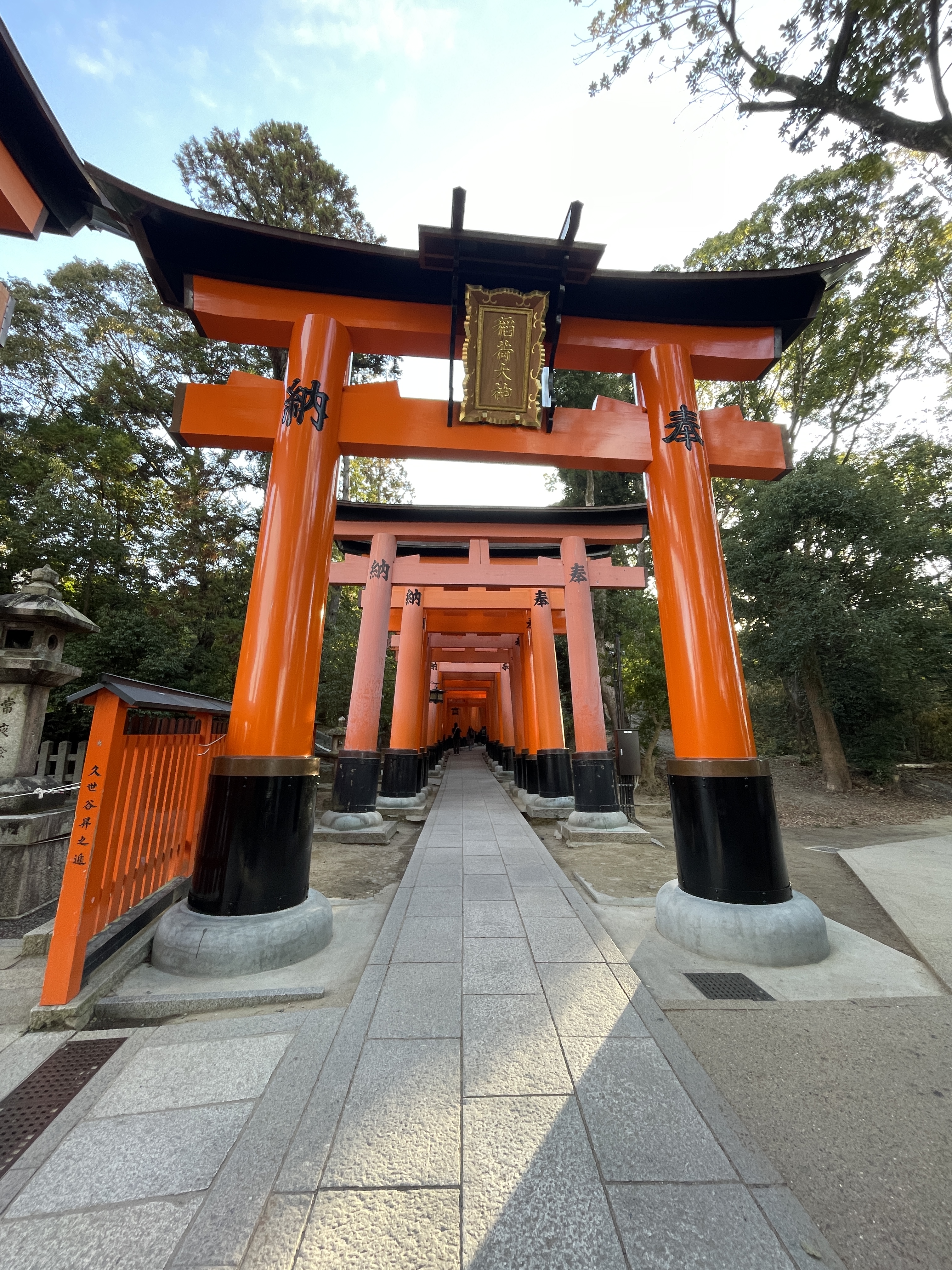
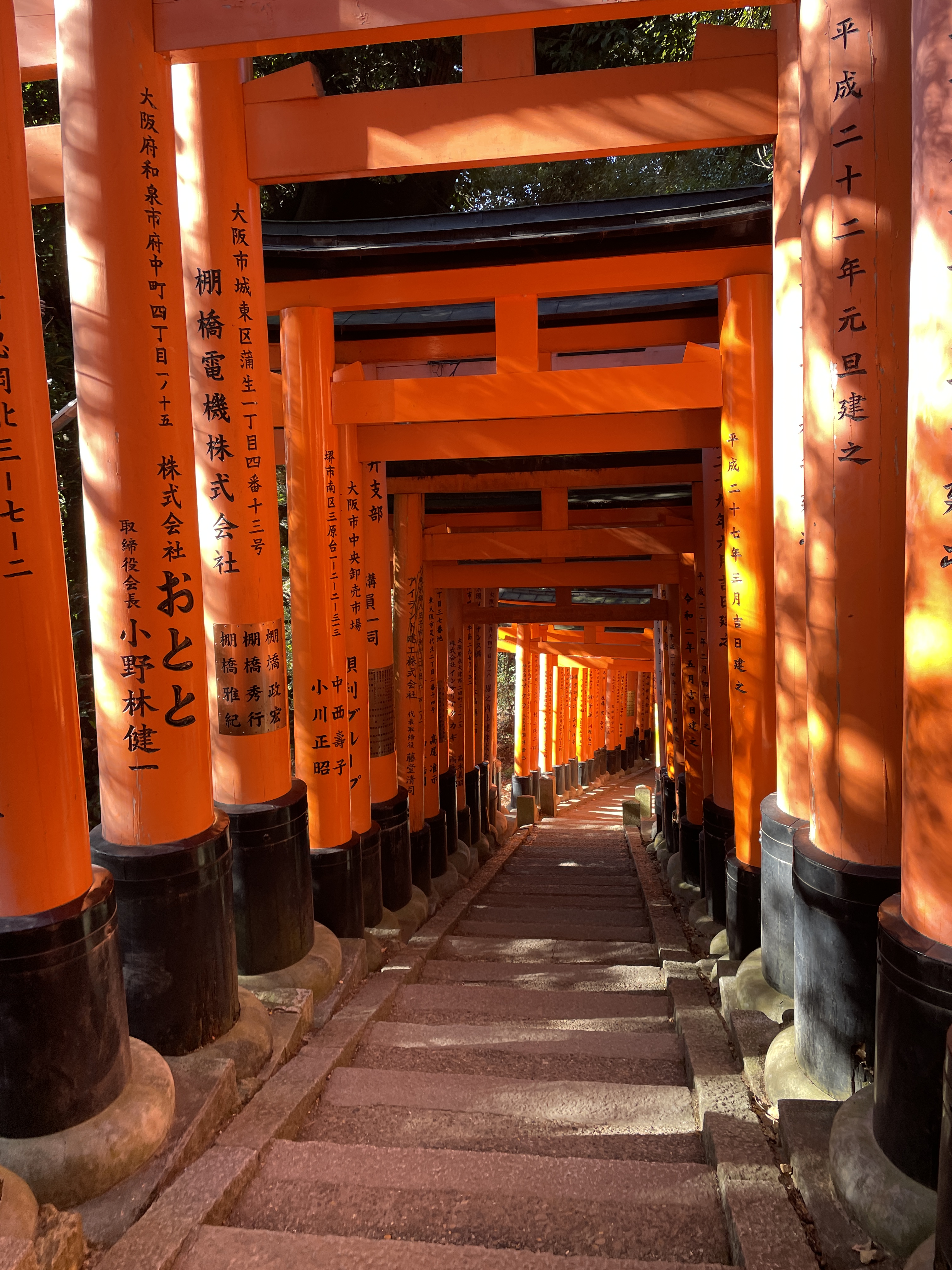
Fushimi Inari Taisha Shrine
Millions of people visit Kyoto every year to hike through the 10,000 orange torii gates of Fushimi Inari. Believed to have been established in 711 AD, it is one of the oldest Shinto shrines in the city. With 12,000 steps and a total distance of about 3 miles, this is one of the more physical activities you’ll encounter. You can expect to complete the trail loop in 2-3 hours, with plenty of time included for photos. Be prepared to get an early start, as the entrance was packed with tourists by 10 a.m. Visiting the shrine is completely free and it is open 24/7.
Kiyomizu-dera Temple
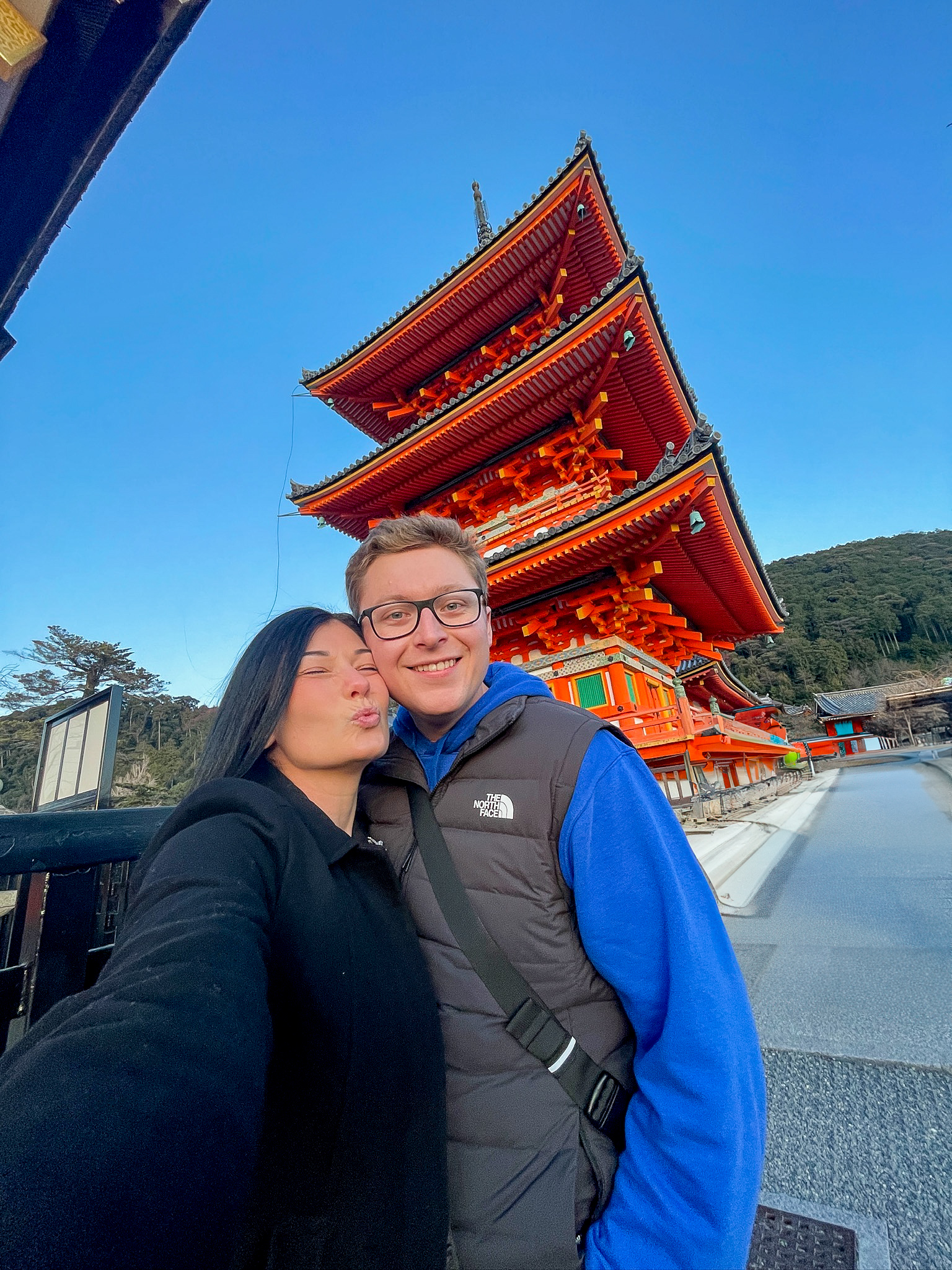
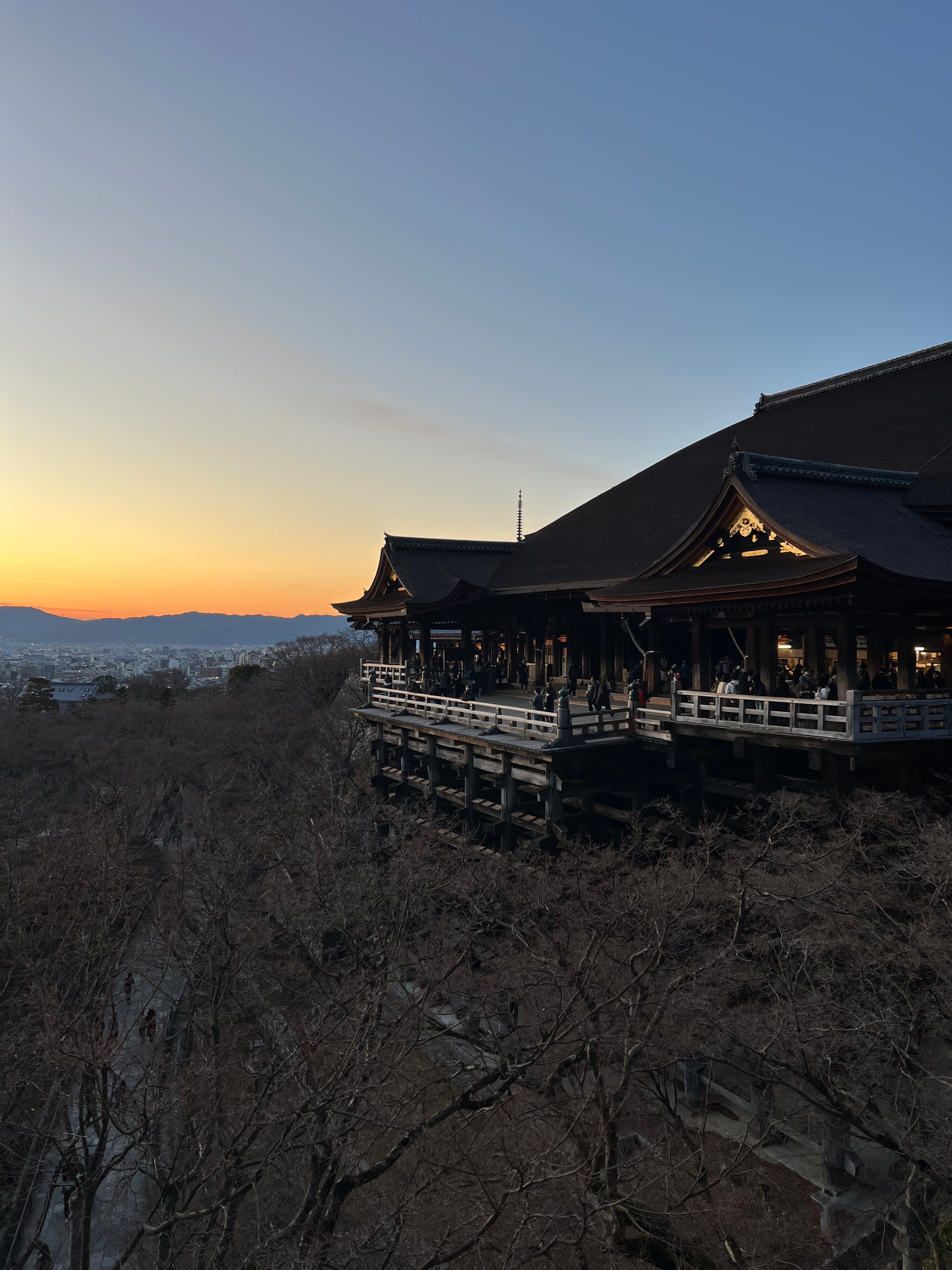
Halfway up Mt. Otawa surrounded by colorful, natural scenery and breathtaking landscapes sits Kiyomizu-dera, or “pure water temple.” The grounds are home to the Niomon Gate, Jishu Shrine, Otowa Waterfall and Koyasu Pagoda. The iconic wooden stage at the Main Hall extends 42 ft. above the hillside, offering stunning views of Kyoto. Visitors must pay a $3.35 (¥500) entry fee and are welcome from 6 a.m. to 6 p.m.
Kinkaku-ji Temple
Also known as the Temple of the Golden Pavilion, this three-tiered pagoda gets its name from its pure gold leaf varnish. A short pathway leads guests around the Zen temple and through the lush gardens. Admission is open from 9 a.m. to 5 p.m. and costs $3.35 (¥500). Outside of the paid temple area are souvenir shops, a small tea garden and Fudo Hall.

Ginkaku-ji Temple
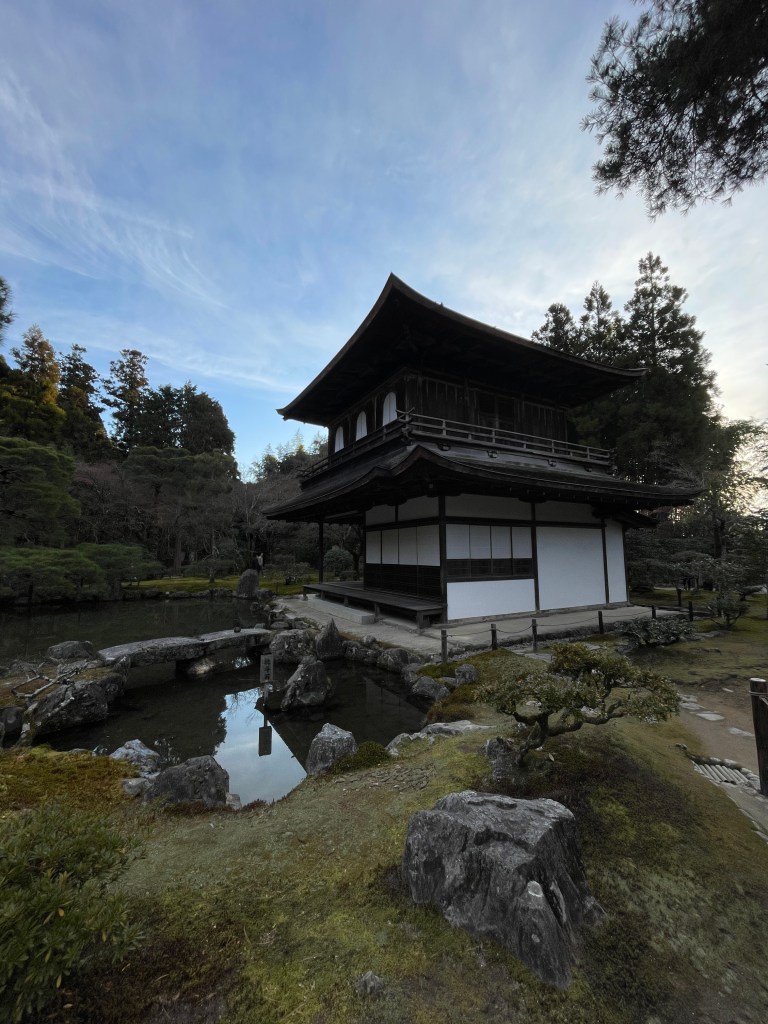
This Zen temple’s dark exterior reflects the shining moonlight, giving it the nickname, Ginkaku-ji or “silver pavilion.” This beautiful structure was initially built as a retirement villa. Follow the scenic trail to immerse yourself in the natural beauty that creates the serene atmosphere. The grounds also include Hondo Hall, a moss garden and a sand garden. Temple visitation is open from 8:30 a.m. to 5 p.m. and cost $3.35 (¥500).
Dining
Breakfast and Coffee
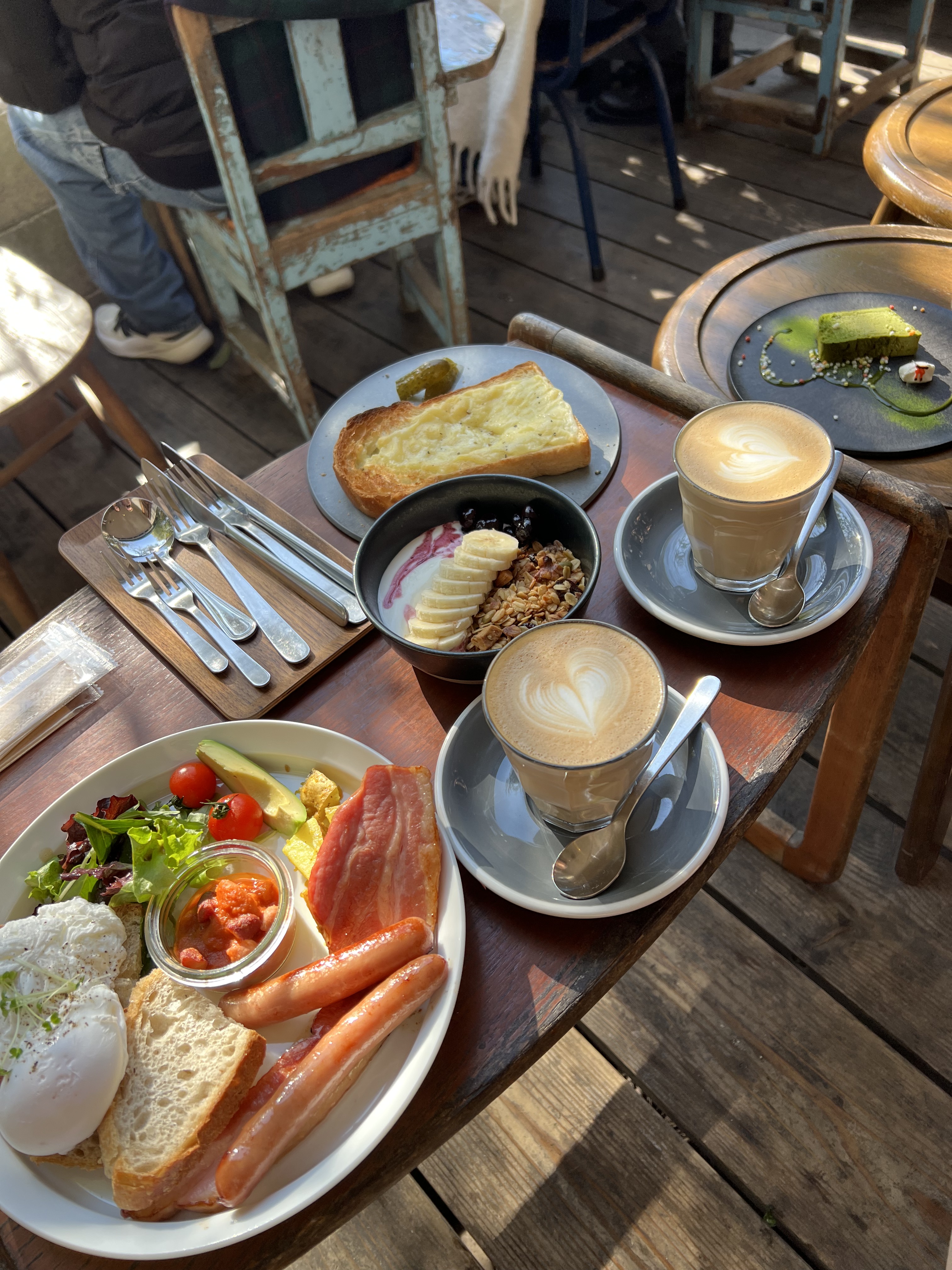
Vermillion Cafe is an espresso bar and cafe located next to Fushimi Inari Shrine. Named after the iconic orange color, vermilion, this culturally blended establishment offers a variety of beverages and appetizing breakfast options. I indulged in the Vermillion plate paired with a latte and the matcha ganache for dessert.

Hoshino Coffee, located in the Asty Kyoto shopping complex, is a well-known chain throughout Japan. After multiple recommendations to try the fluffy pancakes, I couldn’t resist. Topped with fresh strawberry slices, cinnamon apples, a scoop of vanilla ice cream and drizzled with syrup, the strawberry pancake soufflé is the way to go!
Lunch and Dinner
Ginjo Ramen Kubota served the best dinner throughout my entire week in Japan. Bold statement, I know. This restaurant has simply perfected their bowl of ramen, the only dish they offer. A single bar inside seats 10 guests who watch two chefs slice fresh pork and sling strained noodle water all over the floor. Be sure to arrive early, as there was a line out the door before they even opened for dinner!
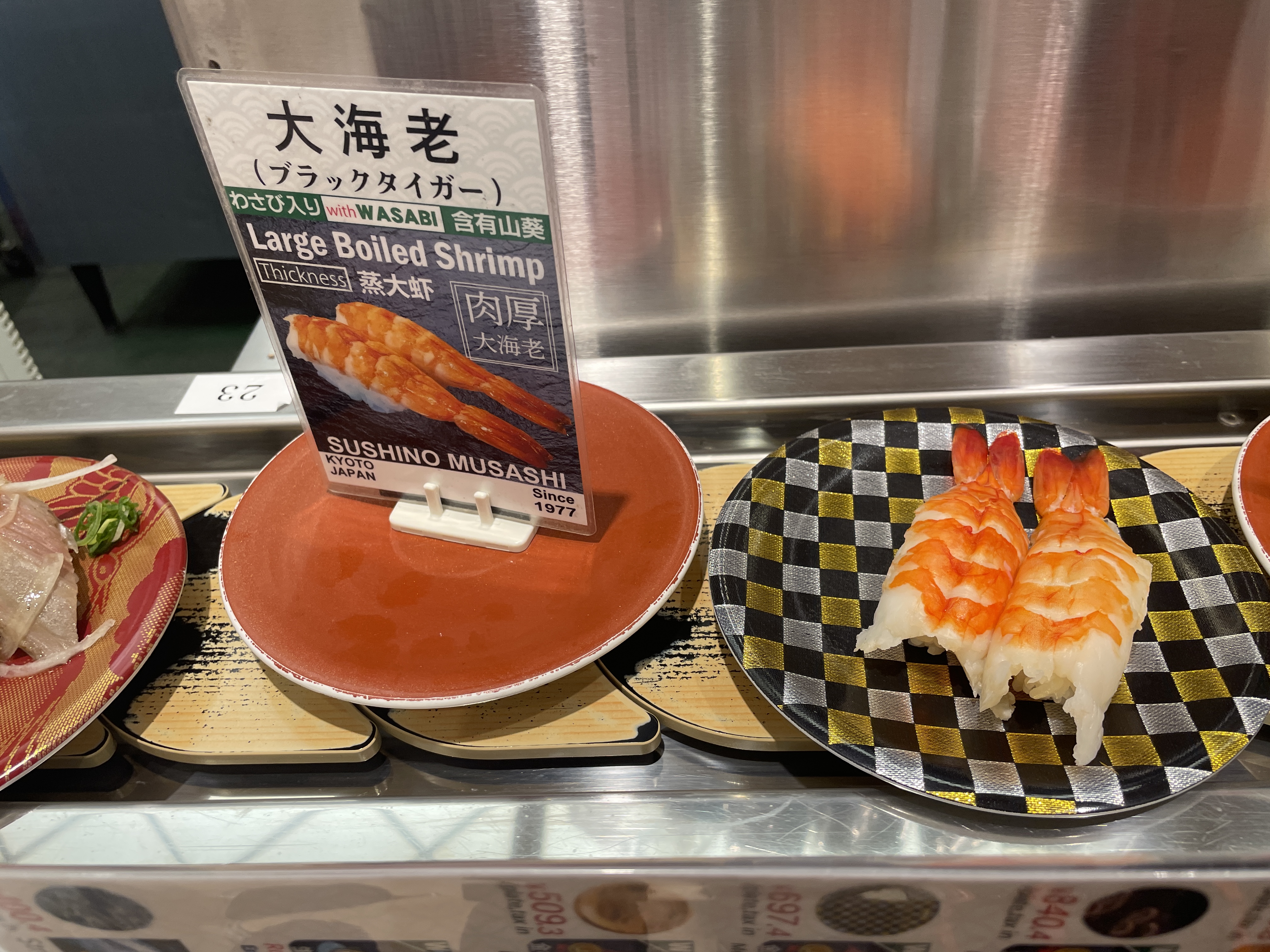
Sushi no Musashi is an interactive, conveyer belt-style sushi restaurant that will send your tastebuds to another planet. This establishment offers a variety of popular sushi types from Kobe beef nigiri to salmon rolls and exotic bites like raw octopus and sea urchin uni (gonads). Customers dining in remove the dishes they want to eat from the belt. The price of each dish is determined by the color of the plate.

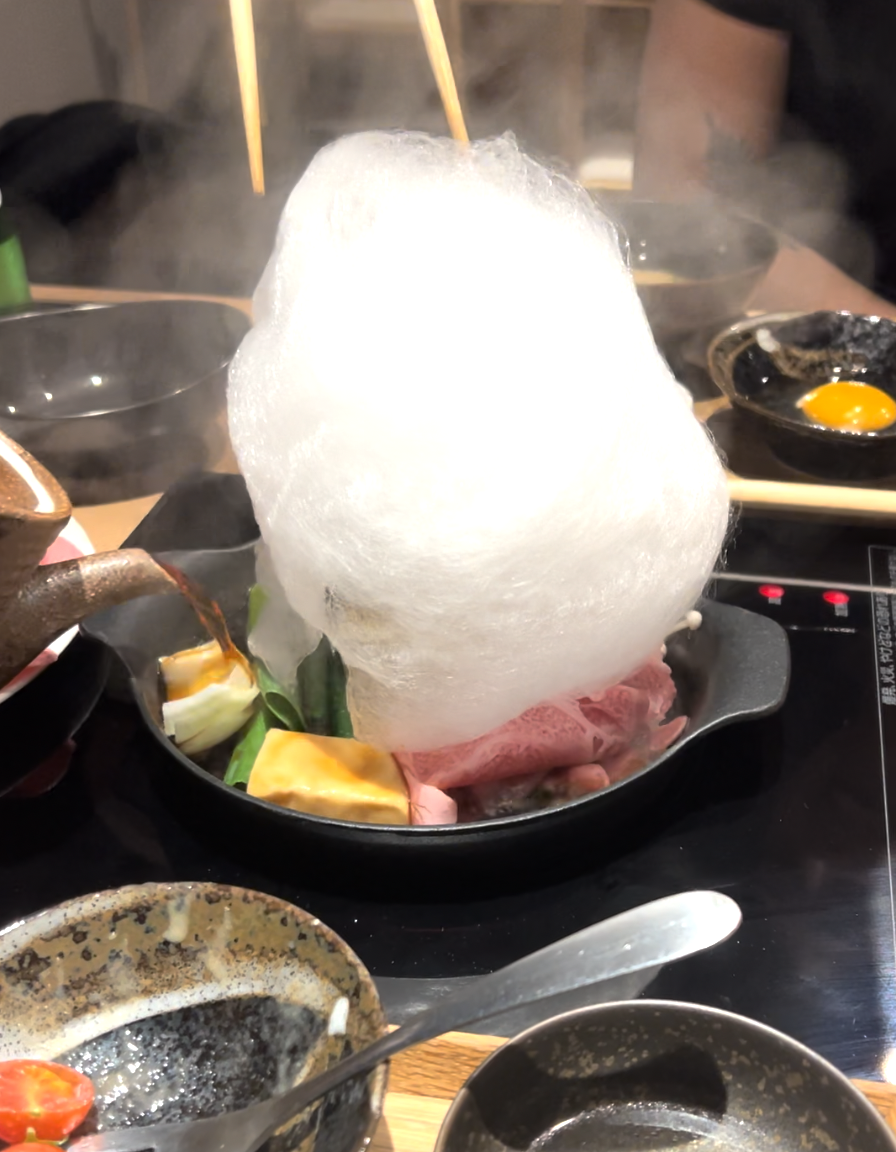
Wagyu Sukiyaki Kyoto Panga offers an authentic sukiyaki dining experience and A5 top-grade Wagyu steaks. Tucked underground in the heart of Kyoto’s shopping scene, you could walk by this hidden steakhouse and never know. I ordered the sukiyaki, which is prepared on the stove in front of you. Due to the high-quality service and mouth-watering food, the menu is more expensive than your average meal in Japan, but worth every penny.
Lodging
When searching for lodging in Kyoto, I wanted something somewhat centrally located for a decent price. Don’t we all? I booked my stay at JP Inn Kyoto Ekimae Mongakucho. A 15 minute walk from Kyoto Station and surrounded by nearby bus stops, this ideally situated hotel is just far enough outside of the hustle and bustle, but still a walkable distance to central Kyoto. Each of their cozy rooms comes equipped with private bathrooms, wi-fi, laundry facilities and a TV. The friendly front desk staff assisted with an easy check-in and provided me with everything I needed to know for my stay.
Transportation
Getting around Kyoto can be challenging. Many of the city’s attractions lie in opposite directions, making it difficult to see a lot in one day. I mapped out what I wanted to see and do on each side of town and divided my days based on location.
Buses are the most popular and plentiful form of transportation in Kyoto and will take you to all of the major attractions across the city. Using the maps app on your smartphone, choose the bus option to see all of the available routes to your destination. I purchased a 1-day buss pass for $7.43 (¥1100) at a kiosk in Kyoto Station. In addition to unlimited city bus rides, all subway lines are included with the pass. Heads up! When leaving an attraction during closing hours, the bus lines are unlike anything you’ve ever seen. There were a few times where I chose to walk the extra mile or two, rather than stand in line for an hour.
Once you’re in the general area of a temple or shrine, everything in the vicinity is walkable. It’s common to surpass 10,000 steps in a day, as Kyoto isn’t as tightly packed as Tokyo. Be sure to pack a good pair of tennis shoes. I’d recommend my favorite pair of Skechers. They’re affordable, comfortable and come in so many cute colors!
Helpful Mobile Apps
Google Translate
English is less spoken in the outskirts of town, but still fairly prevalent at most shops, restaurants and stations. I recommend downloading Google Translate before traveling abroad. There is also a camera function that can be used to read signs and instructions, which I found to be extremely useful. Make sure to download the language in the event you’ll need to use it without internet access. I’d also recommend learning basic terms like “hello and goodbye,” “excuse me,” and “please and thank you” in the language of the country you’re visiting to show respect.

Spending time in Kyoto has allowed me to experience the blend of central urban city and exterior rural borders. Simply put: the food is outstanding, the natives are gracious and the culture is thriving. With the challenge of getting around the city comes the great reward of beautiful experiences and historical attractions. If you’re looking to visit Japan without the booming chaos of Tokyo, be sure to include this remarkable place on your travel itinerary.
Love Always.

Leave a comment